1. ບົດແນະນຳ
The AKG C414 XLS is a professional large-diaphragm condenser microphone renowned for its exceptional linearity and neutral sound. Designed for studio recording of vocals and a wide range of acoustic instruments, it offers nine selectable polar patterns, advanced attenuation pads, and bass-cut filters for versatile application. This manual provides essential information for setting up, operating, and maintaining your C414 XLS microphone.
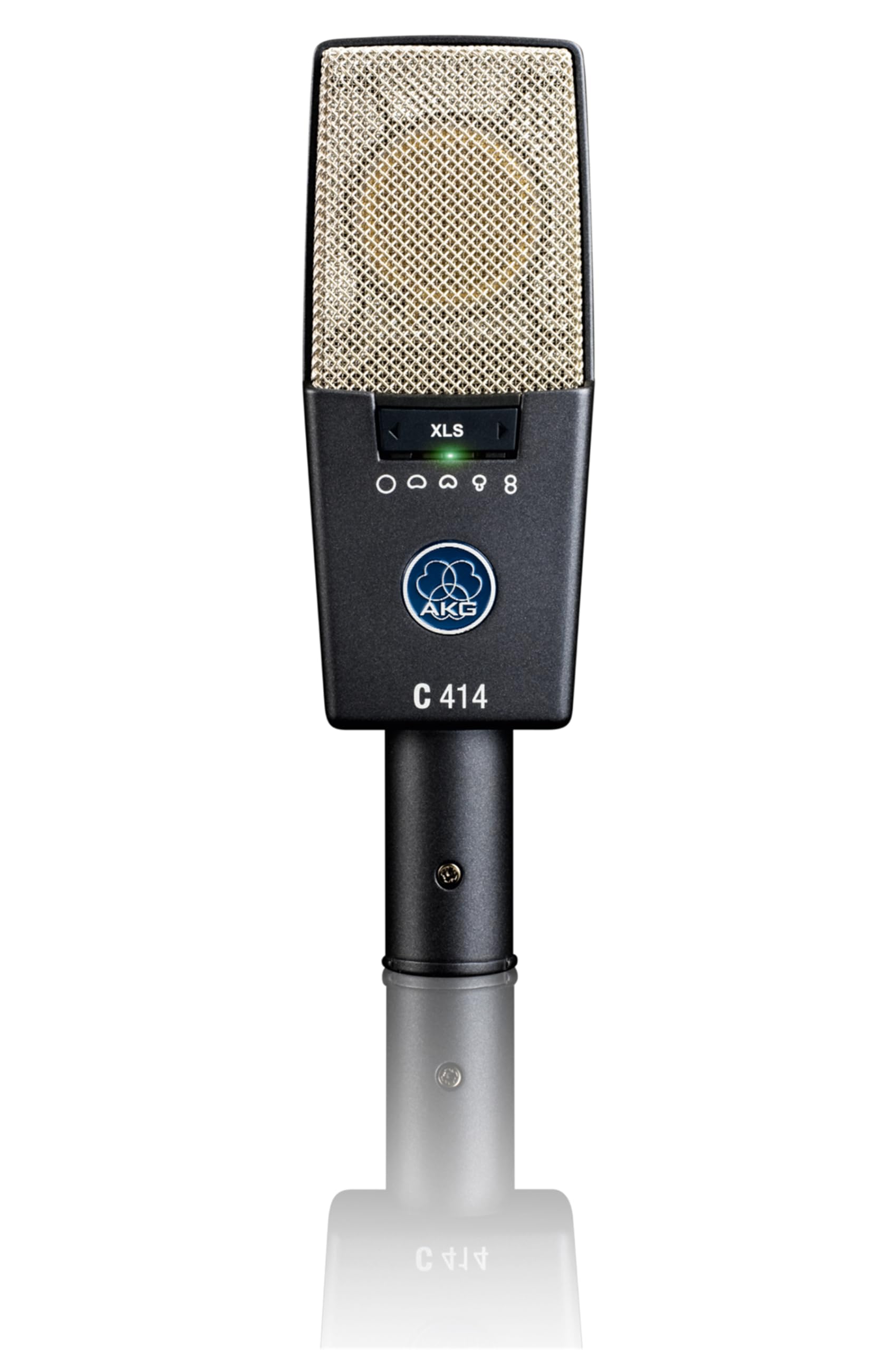
Figure 1: AKG C414 XLS Studio Grade Condenser Microphone.
2. ຄຸນນະສົມບັດທີ່ສໍາຄັນ
- Linearity and Neutral Sound: Engineered for highly detailed and accurate recording of vocals and acoustic instruments.
- Nine Selectable Polar Patterns: Includes Cardioid, Figure-of-eight, Hypercardioid, Omnidirectional, and Wide Cardioid for optimal sound capture in various scenarios.
- Preattenuation Pads: Selectable -6 dB, -12 dB, and -18 dB pads to handle high sound pressure levels without distortion.
- Bass-Cut Filters: Three switchable bass-cut filter settings (40 Hz, 80 Hz, 160 Hz) to reduce unwanted low-frequency noise and proximity effect.
- Peak Hold LED: Alerts users to overload peaks, ensuring optimal signal integrity.
- Robust Aluminum Construction: Durable design suitable for studio and live performance environments.
3. ສິ່ງທີ່ຢູ່ໃນກ່ອງ
The AKG C414 XLS microphone typically includes the following components:
- AKG C414 XLS Microphone
- Rugged Aluminum Carrying Case
- Shock Mount
- Pop Filter
- ແວ່ນກັນລົມ

Figure 2: AKG C414 XLS and its standard accessories, including the aluminum carrying case, shock mount, pop filter, and windscreen.
4. ຕັ້ງຄ່າ
4.1 ການຫຸ້ມຫໍ່ແລະການກວດກາ
Carefully unpack the microphone and all accessories. Inspect all components for any signs of damage. Retain the original packaging for future storage or transport.
4.2 ການຕິດຕັ້ງໄມໂຄຣໂຟນ
- Attach the included shock mount to a sturdy microphone stand.
- Gently insert the AKG C414 XLS microphone into the shock mount, ensuring it is securely held. The shock mount helps to isolate the microphone from vibrations and handling noise.
- For vocal applications, attach the pop filter to the microphone stand and position it approximately 2-3 inches (5-7 cm) in front of the microphone grille. This reduces plosive sounds (P, B) and protects the capsule from moisture.
4.3 ການເຊື່ອມຕໍ່ໄມໂຄຣໂຟນ
The C414 XLS requires phantom power (+48V) to operate. Connect the microphone to an audio interface, mixer, or preamplifier using a balanced XLR cable. Ensure that phantom power is enabled on your connected device before use.
5. ຄໍາແນະນໍາການດໍາເນີນງານ
The AKG C414 XLS features controls on both the front and rear of its body for adjusting polar patterns, pre-attenuation, and bass-cut filters.

ຮູບ 3: ດ້ານຫນ້າແລະດ້ານຫລັງ views of the AKG C414 XLS, highlighting the control switches.
5.1 Polar Pattern Selection
The front of the microphone features a switch to select one of nine polar patterns. Each pattern offers a different directional response, allowing you to optimize the microphone's pickup for various recording situations:
- ອ້ອມຮອບ: Picks up sound equally from all directions. Ideal for capturing ambient room sound or multiple sources.
- Wide Cardioid: Broader pickup than cardioid, useful for groups or instruments with wider sound fields.
- Cardioid: Most sensitive to sound from the front, rejecting sound from the sides and rear. Standard for vocals and many instruments.
- Hypercardioid: Tighter pickup than cardioid, with more rejection from the sides and a small lobe of sensitivity at the rear. Good for isolating a single source.
- Figure-of-Eight: Picks up sound equally from the front and rear, rejecting sound from the sides. Excellent for duets or M/S stereo recording.
Intermediate patterns are also available for fine-tuning.

Figure 4: Polar pattern diagrams and frequency response graph for the C414 XLS in Cardioid mode.
5.2 ແຜ່ນ Preattenuation
On the rear of the microphone, a switch allows you to engage a pre-attenuation pad. This reduces the microphone's output level, preventing distortion when recording very loud sound sources. Options include:
- 0 dB (no attenuation)
- -6 dB
- -12 dB
- -18 dB
5.3 Bass-Cut Filter
Also on the rear, a switch activates a bass-cut filter to reduce low-frequency rumble, wind noise, or proximity effect (an increase in bass response when a sound source is very close to the microphone). Available settings are:
- Flat (no filter)
- 40 Hz
- 80 Hz
- 160 Hz
6. ບໍາລຸງຮັກສາ
Proper care ensures the longevity and optimal performance of your AKG C414 XLS microphone.
- ທໍາຄວາມສະອາດ: Use a soft, dry cloth to clean the microphone body. Avoid using liquid cleaners or solvents, as these can damage the finish or internal components.
- ການເກັບຮັກສາ: When not in use, store the microphone in its original aluminum carrying case with the included dust bag. This protects it from dust, moisture, and physical damage.
- ການຈັດການ: ໃຫ້ຈັບໄມໂຄຣໂຟນດ້ວຍຄວາມລະມັດລະວັງສະເໝີ. ຫຼີກລ່ຽງການຕົກ ຫຼື ການວາງໄວ້ໃນອຸນຫະພູມ ຫຼື ຄວາມຊຸ່ມຊື່ນສູງ.
- Pop Filter/Windscreen: Regularly clean the pop filter and windscreen to prevent the buildup of saliva or dust, which can affect sound quality.
7. ການແກ້ໄຂບັນຫາ
If you encounter issues with your C414 XLS, consider the following common solutions:
- ບໍ່ມີສຽງ:
- Ensure phantom power (+48V) is enabled on your audio interface or mixer.
- Check all cable connections (XLR cable, power).
- Verify that the input gain on your audio device is set appropriately.
- ສຽງບິດເບືອນ:
- Engage the pre-attenuation pad (-6 dB, -12 dB, or -18 dB) if recording very loud sources.
- Reduce the input gain on your audio device.
- Ensure the microphone is not overloaded (check the Peak Hold LED).
- Excessive Bass/Rumble:
- Activate the bass-cut filter (40 Hz, 80 Hz, or 160 Hz) to reduce low-frequency noise or proximity effect.
- Increase the distance between the sound source and the microphone.
- ສິ່ງລົບກວນທີ່ບໍ່ຕ້ອງການ / Hum:
- Ensure you are using high-quality, balanced XLR cables.
- ກວດສອບອຸປະກອນເອເລັກໂຕຣນິກທີ່ຢູ່ໃກ້ຄຽງທີ່ອາດຈະເຮັດໃຫ້ເກີດການລົບກວນ.
- ຮັບປະກັນການຕໍ່ສາຍດິນທີ່ເໝາະສົມຂອງອຸປະກອນສຽງທັງໝົດ.
8. ຂໍ້ມູນຈໍາເພາະ
| ຄຸນສົມບັດ | ຂໍ້ມູນຈໍາເພາະ |
|---|---|
| ຮູບແບບຂົ້ວໂລກ | Cardioid, Figure of eight, Hypercardioid, Omnidirectional, Wide Cardioid |
| Audio Frequency Bandwidth | 20 - 20000 Hz |
| ລະດັບສຽງລົບທຽບເທົ່າ | 6 dB-A |
| ຄວາມອ່ອນໄຫວ | 23mV/Pa |
| ສັນຍານເຖິງສິ່ງລົບກວນ | 88 dB-A |
| Preattenuation Pad | -6; -12; -18 dB |
| Bass Cut Filter | 160; 80; 40 Hz |
| ຄວາມຕ້ານທານໄຟຟ້າ | 200 ໂອມ |
| ແນະນຳ Load Impedance | 2200 ໂອມ |
| ນ້ໍາຫນັກລາຍການ | 10.6 ອອນສ໌ (300 ກຣາມ) |
| ຂະໜາດສິນຄ້າ (L x W x H) | 11.3 x 3.9 x 5.5 ນິ້ວ |
| ວັດສະດຸ | ອາລູມີນຽມ |
| ປະເພດຕົວເຊື່ອມຕໍ່ | XLR |
9. ວິດີໂອຜະລິດຕະພັນ
9.1 AKG C414 XLII vs XLS Comparison
Video 1: A comparison of the AKG C414 XLII and C414 XLS microphones, highlighting their sound characteristics and differences across various applications like vocals, electric guitar, and acoustic guitar. This video helps users understand the sonic profile of the C414 XLS.
9.2 AKG C414 at Stadium Red Studios
Video 2: Features Claude Zdanow and Ariel Borujow from Stadium Red Studios discussing their experience and preference for AKG microphones, including the C414 XLS, in professional recording environments. This video showcases the microphone's versatility and reliability in a high-end studio setting.
10. ການຮັບປະກັນແລະການສະຫນັບສະຫນູນ
For warranty information, technical support, or service inquiries, please refer to the official AKG website or contact your authorized AKG dealer. Keep your proof of purchase for warranty claims.